In Summary
• The amount comes down to three things: the size of what you are cooking, how long it needs on the spit, and the weather on the day.
• As a rough guide, a small spit runs on 2 to 3 kg, a medium cook on 4 to 6 kg, and a whole lamb or pig on anywhere from 10 to 20 kg across the full session.
• Always buy more than you think you need. Running out halfway through a five-hour cook is the one mistake you cannot undo.
Ask any first-timer setting up a spit and this is the question that keeps them up the night before. Get it wrong and you are either left with a half-cooked centrepiece and a mad dash to the servo, or a mountain of leftover fuel you did not need. The honest answer is that there is no single magic number, but there is a reliable way to work it out. Here is everything you need to know before you light up.
So what is the quick rule of thumb?
Charcoal use scales with the size of your cook and how long it sits on the spit. As a starting point:
• Small spit (a whole chicken or a small roast, 1 to 2 hours): around 2 to 3 kg
• Medium spit (a leg of lamb, a pork shoulder or a couple of birds, 2 to 4 hours): around 4 to 6 kg
• Large spit (a whole lamb or suckling pig, 4.5 to 6 hours or more): 10 to 20 kg across the whole cook
For the big cooks, a handy benchmark is roughly 1 to 1.5 kg of fuel per hour once your fire is established, on top of a larger load to get things going.
Does lump charcoal or briquettes make a difference?
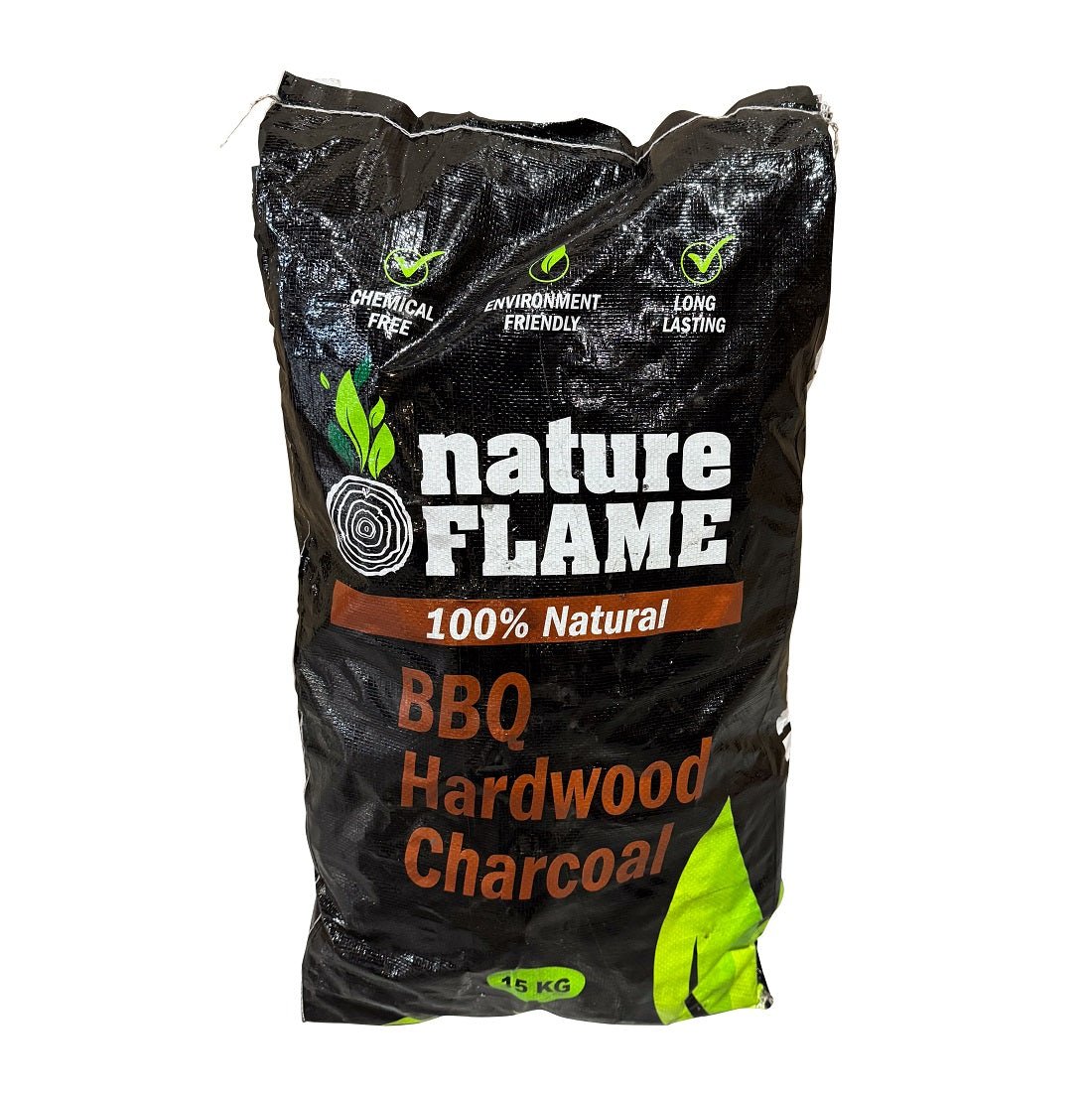
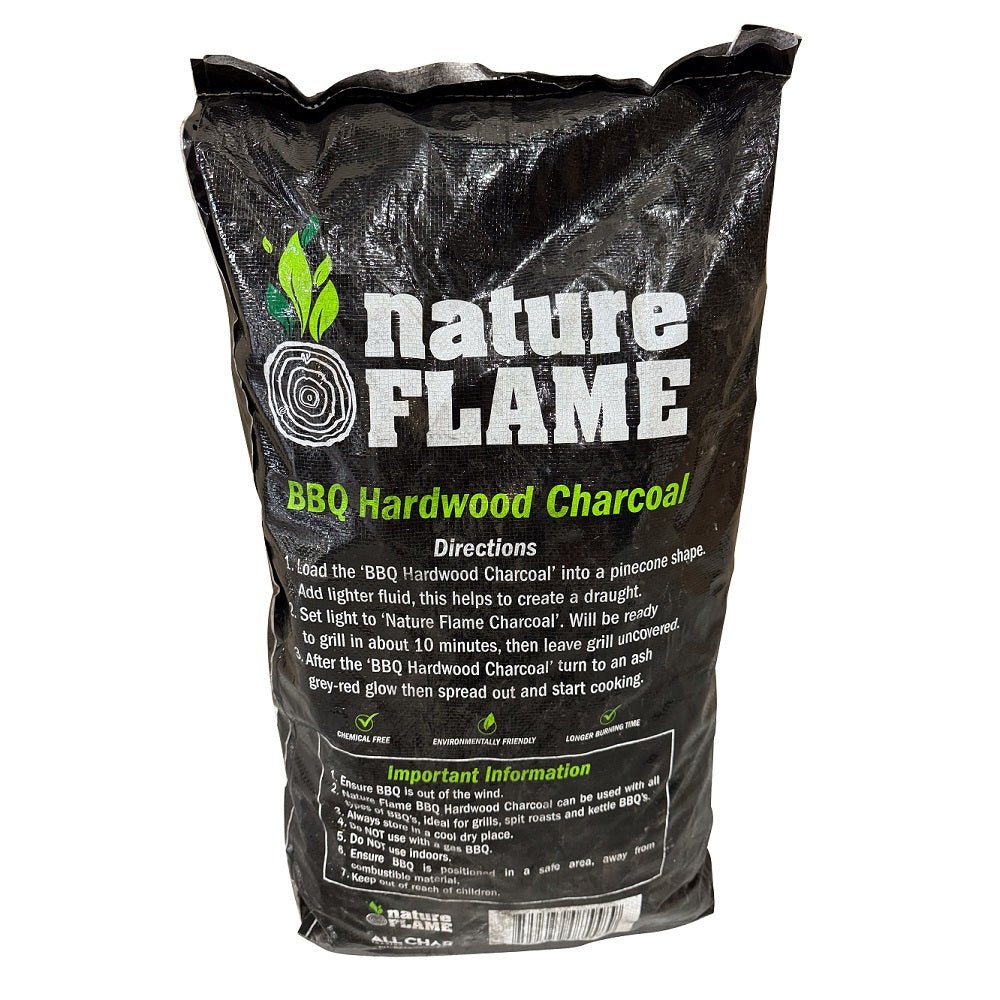
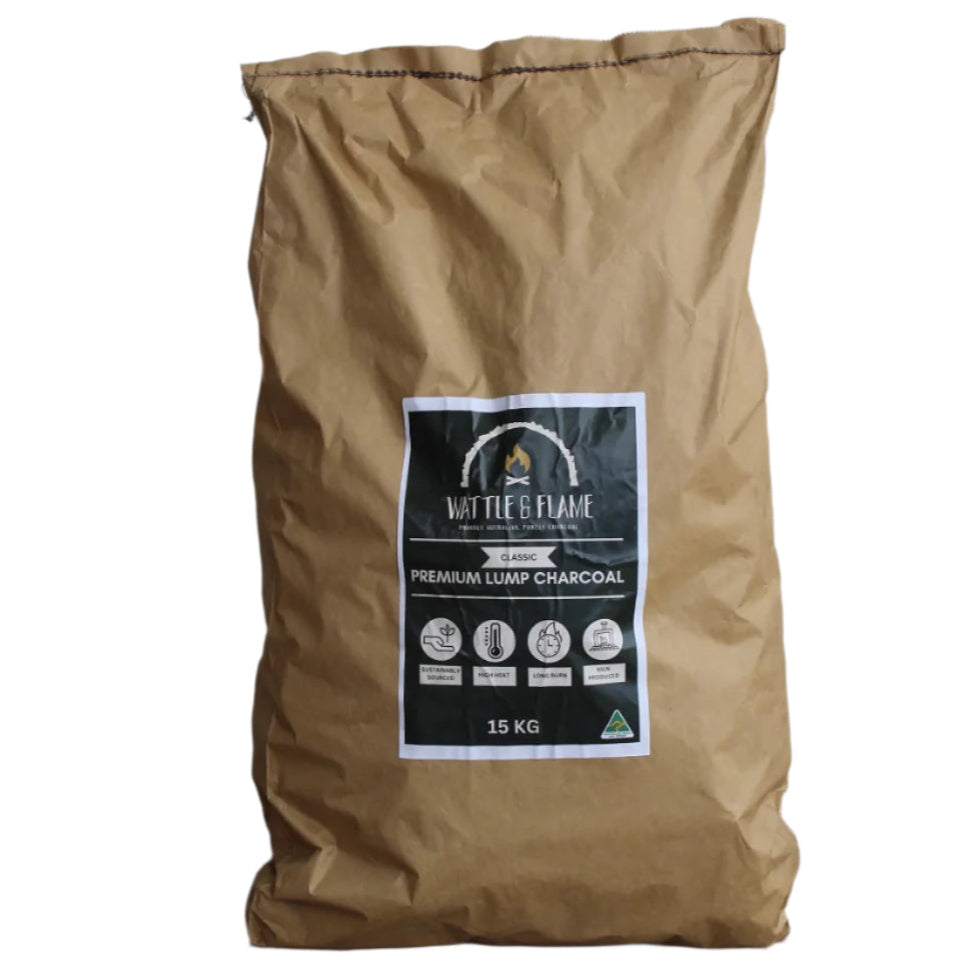
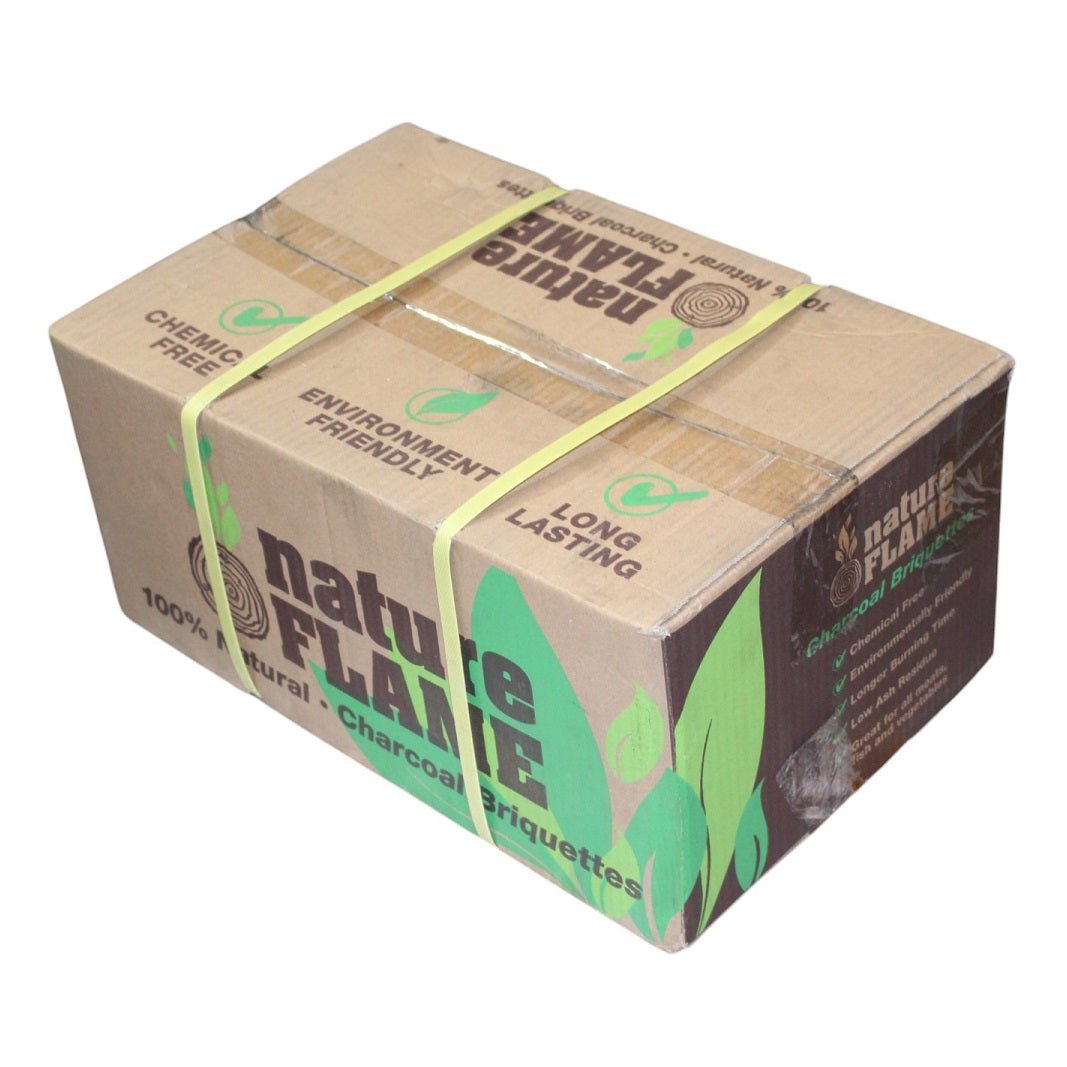
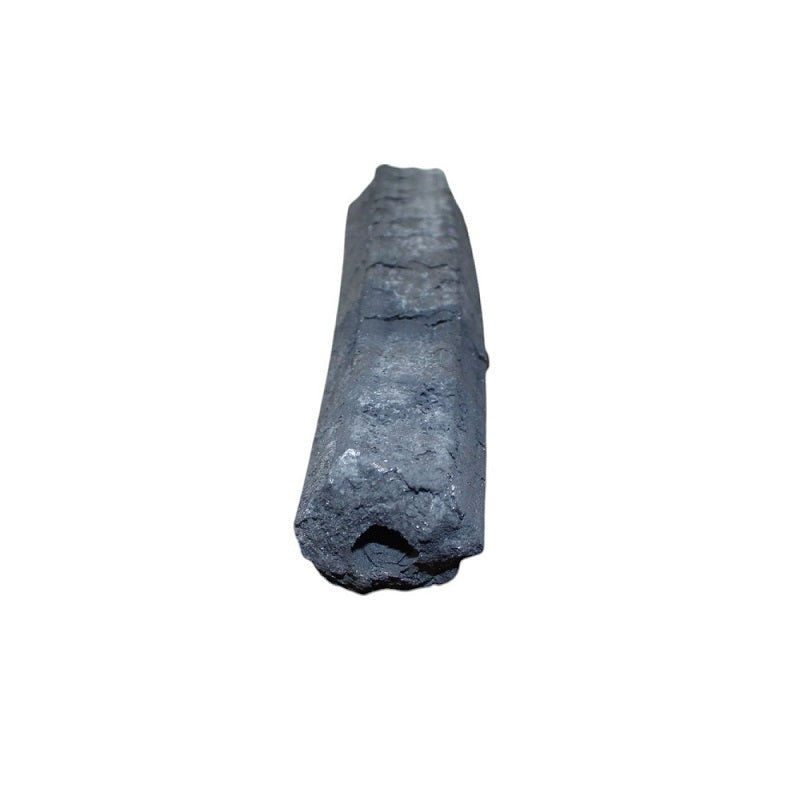
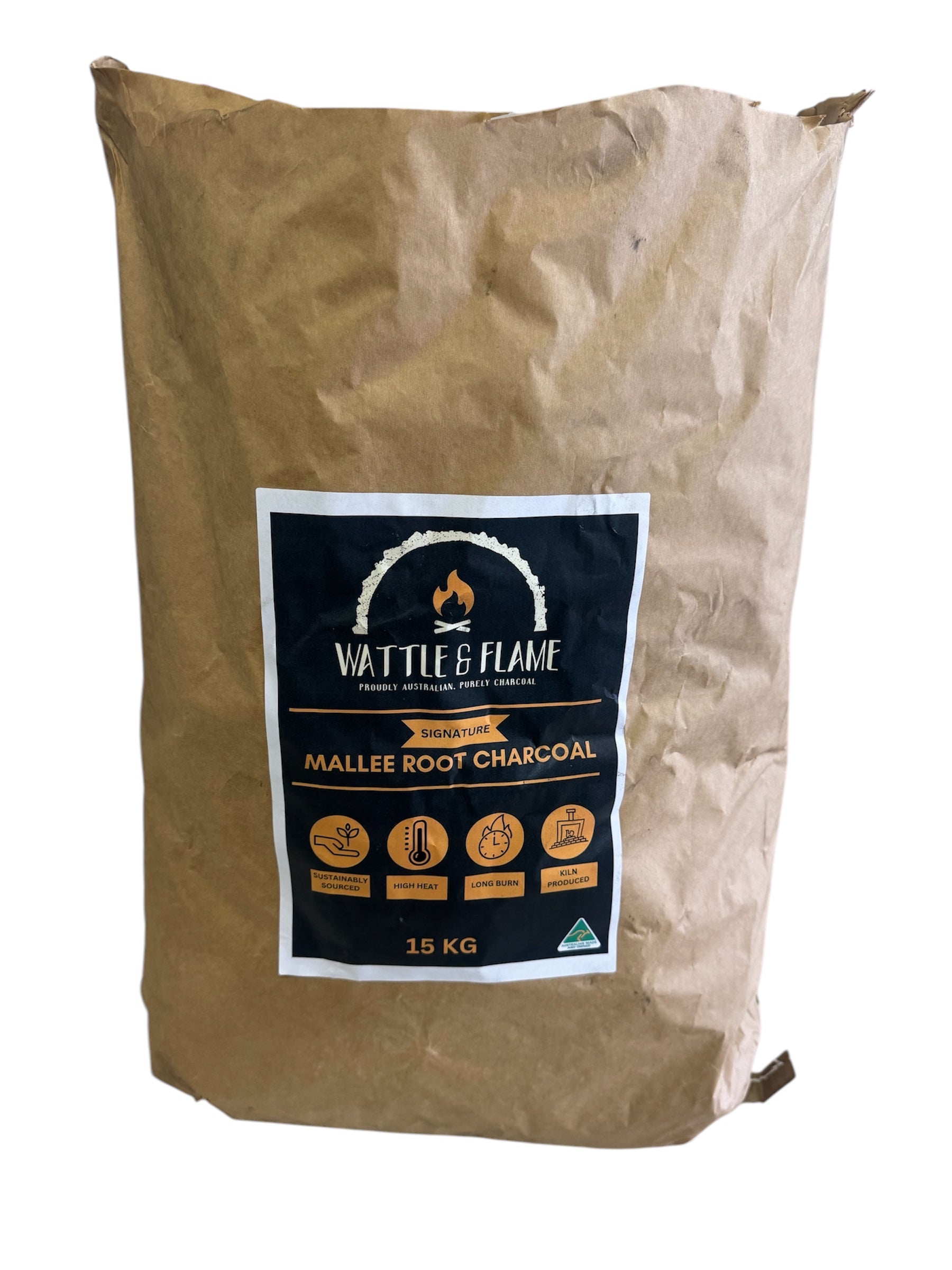
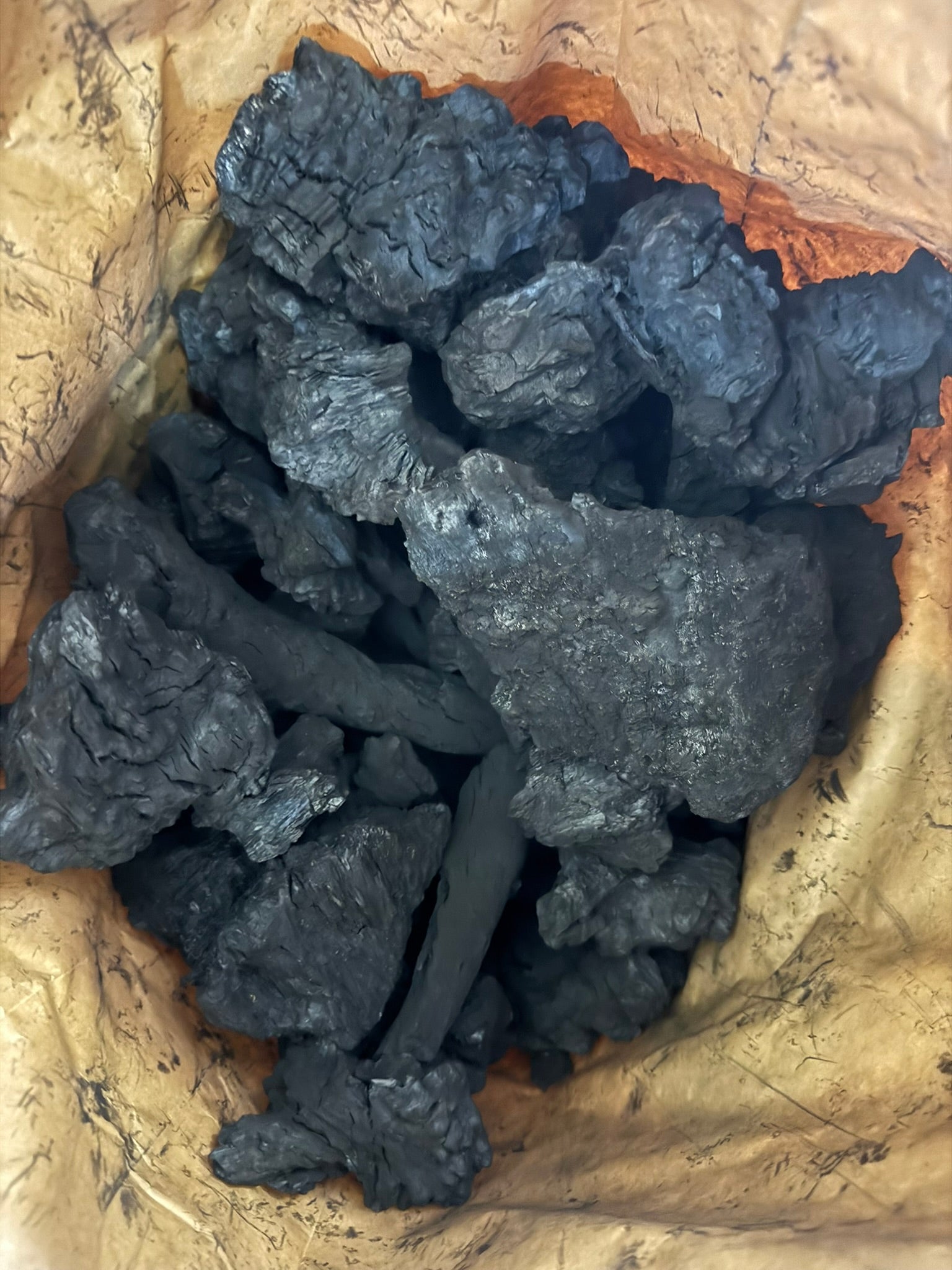
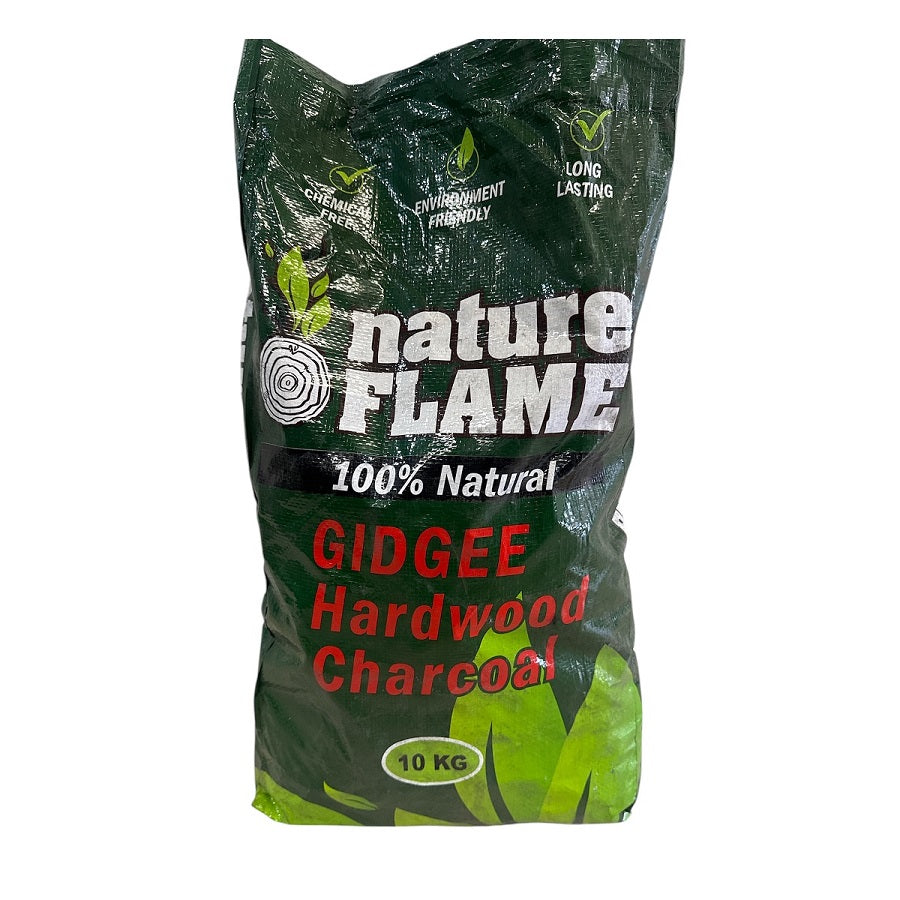
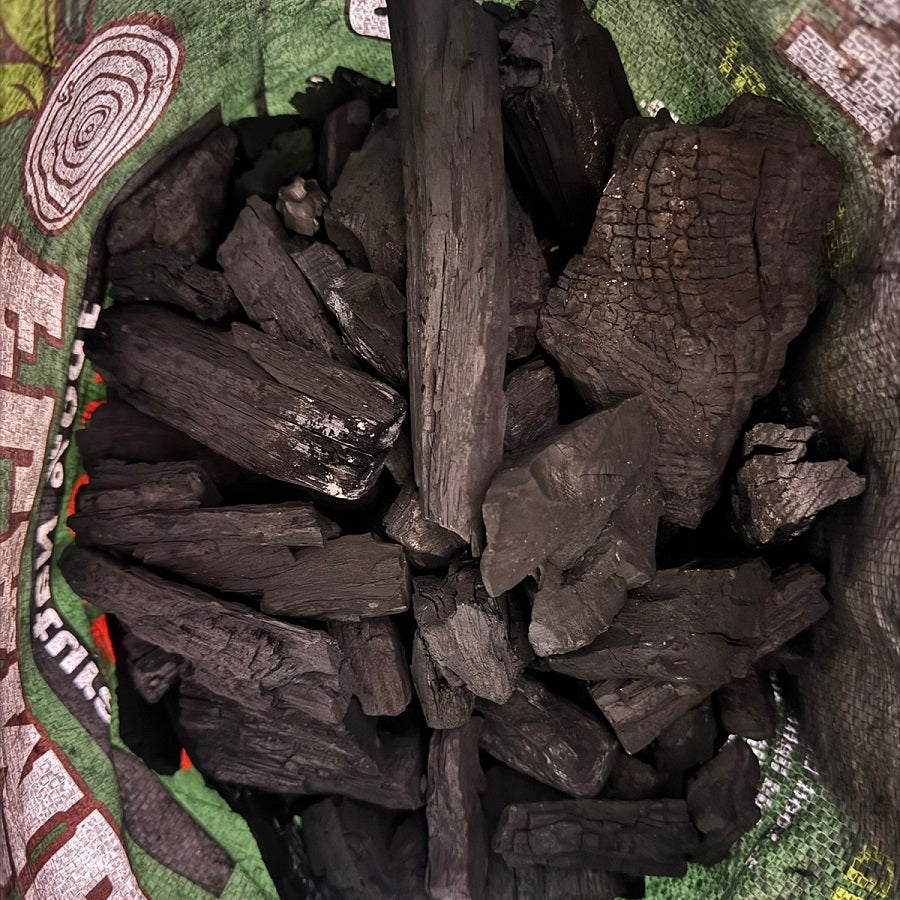
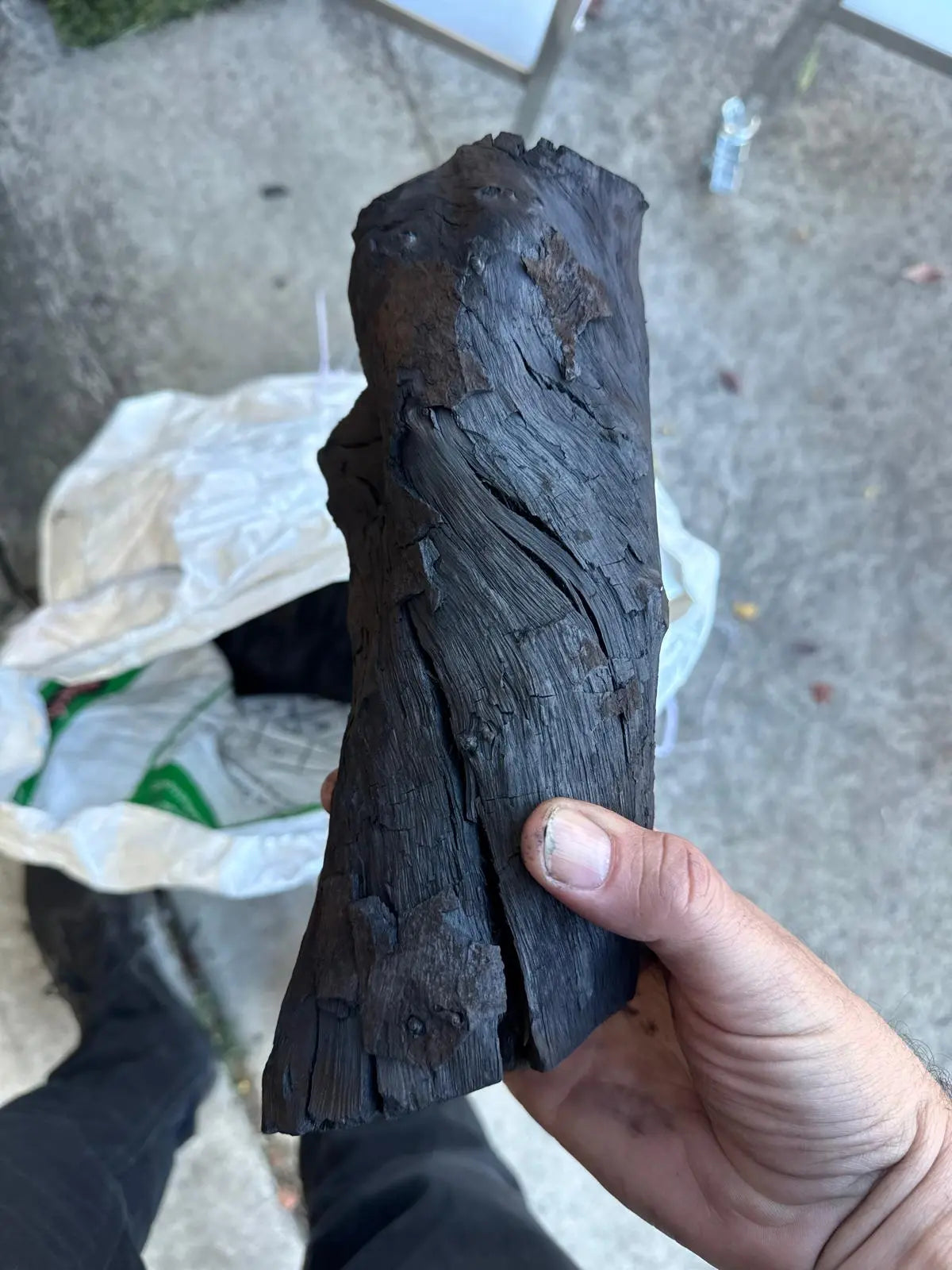
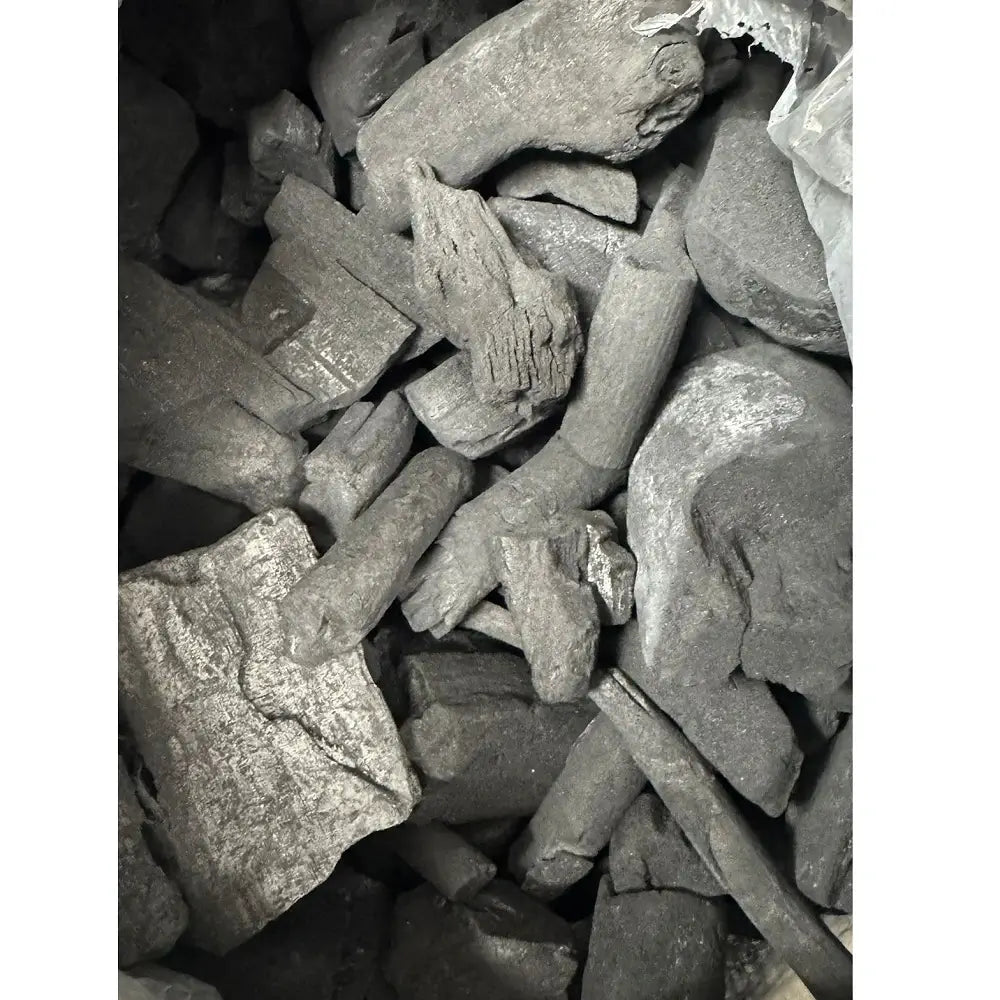
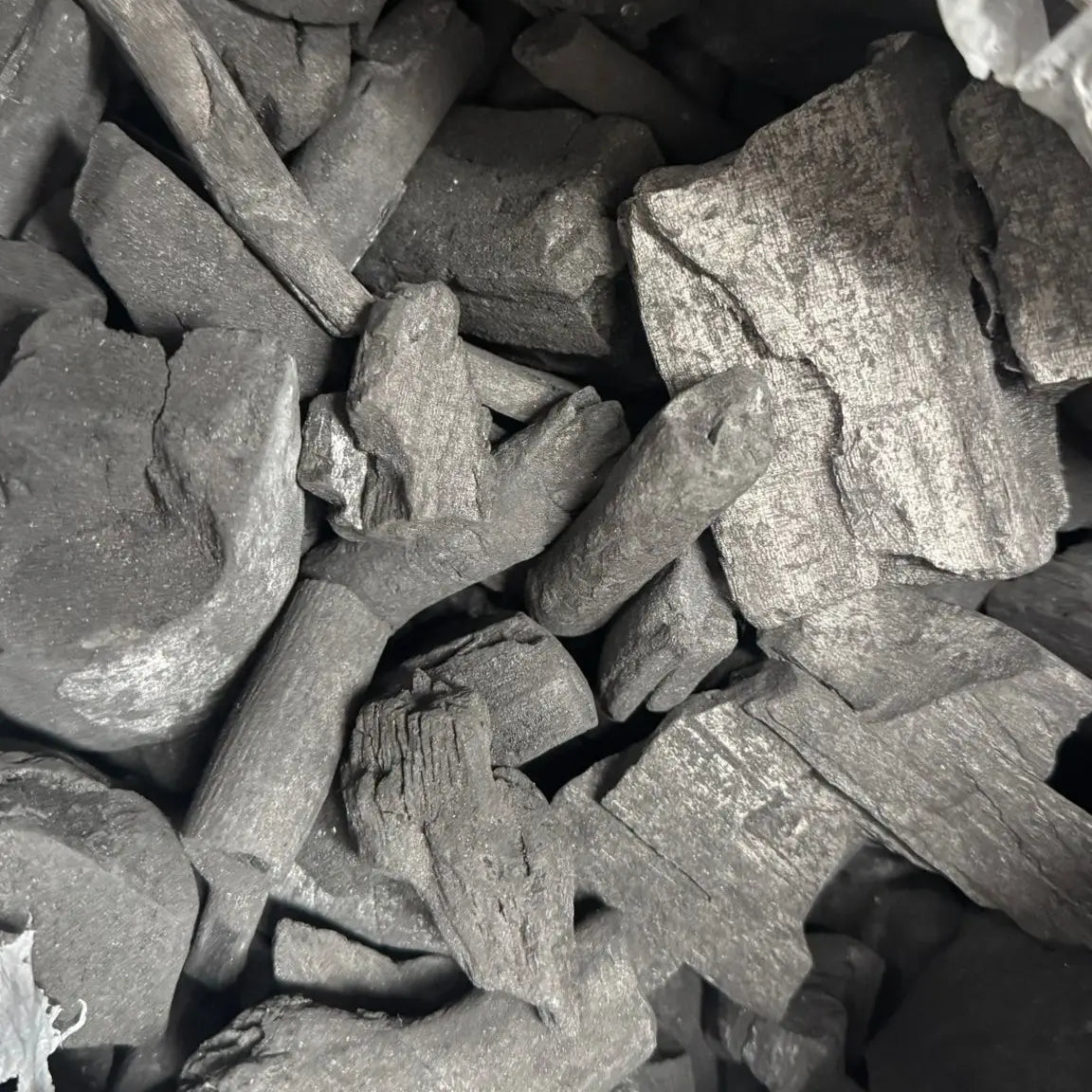
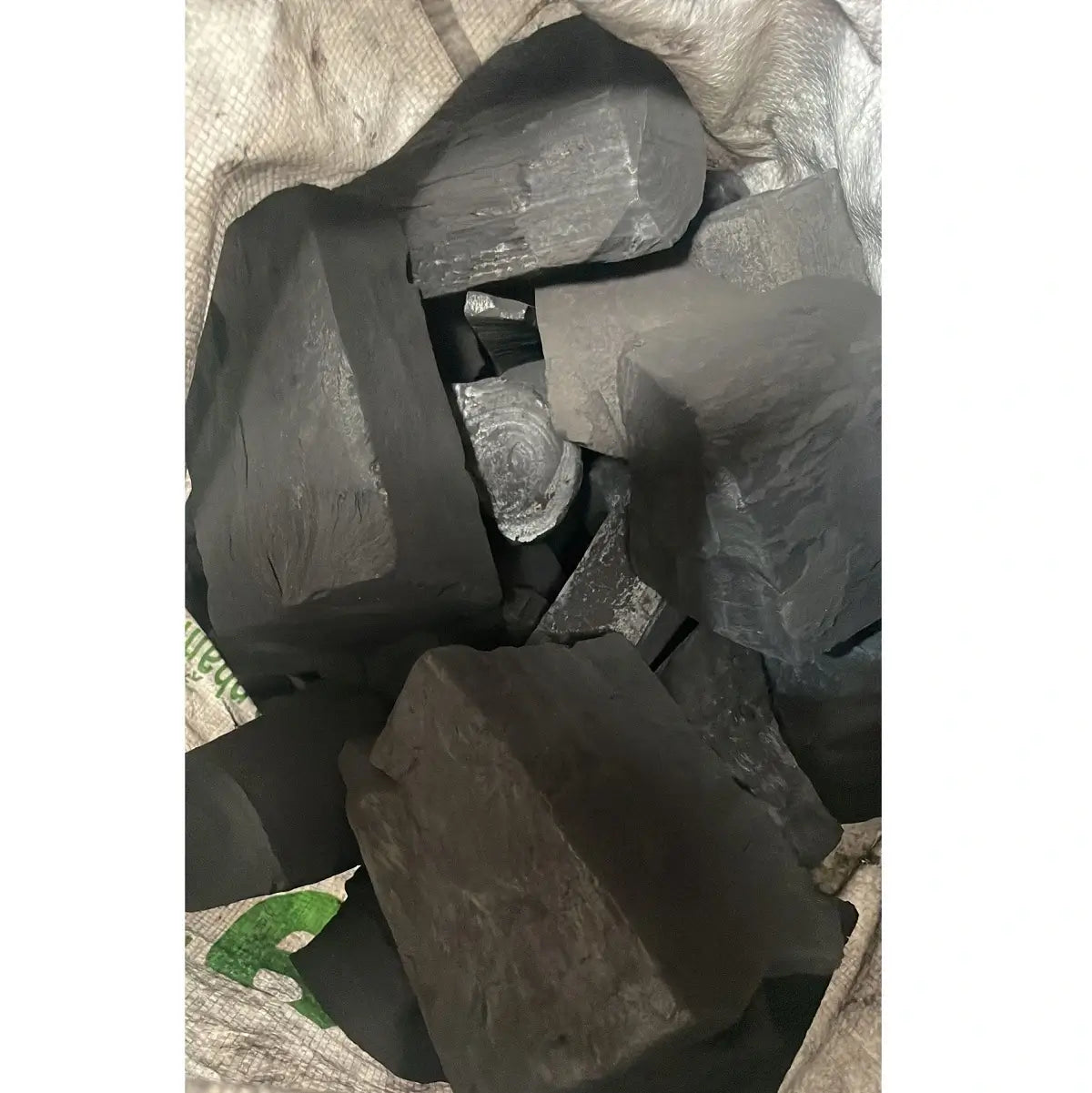
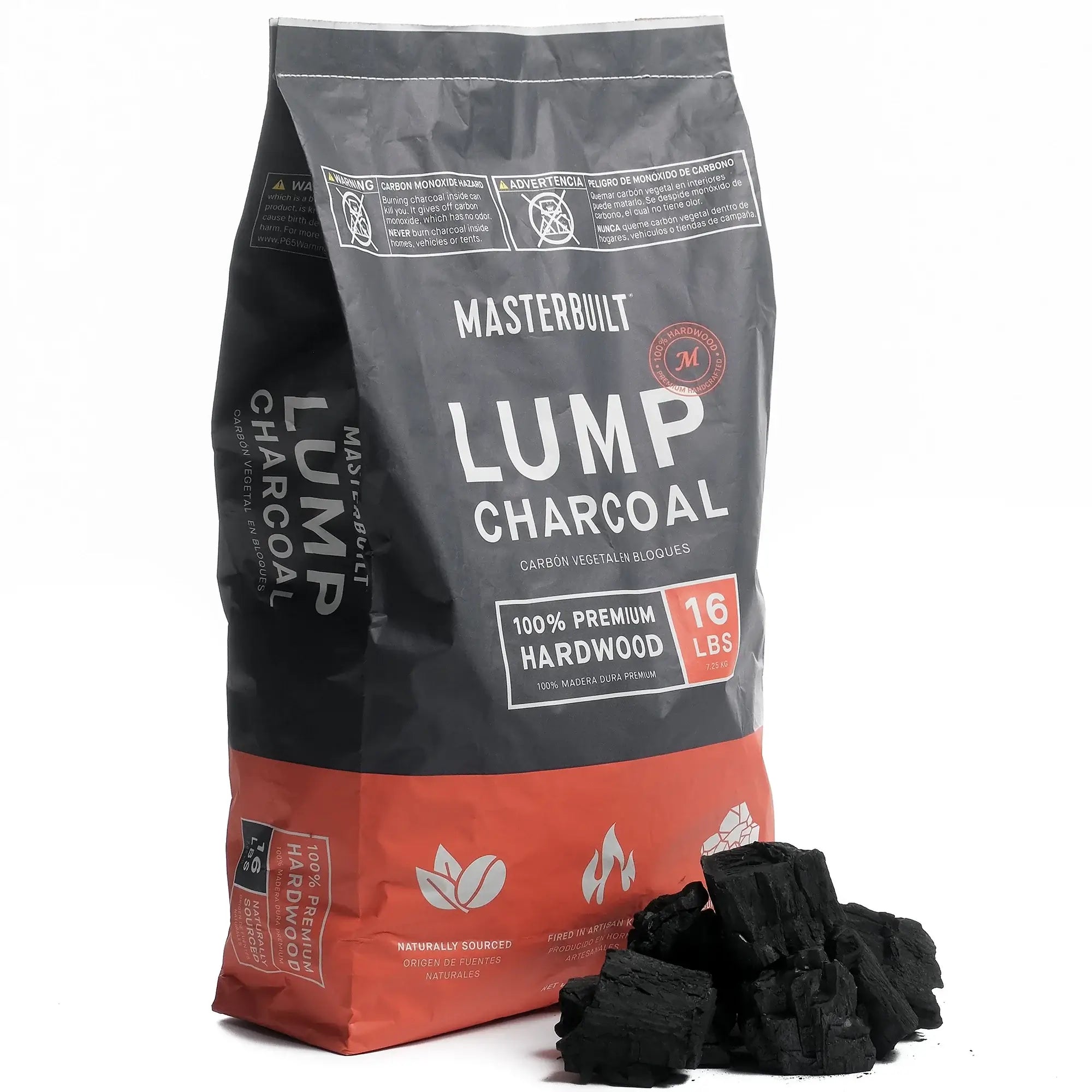
It does, and it is worth understanding before you buy. Lump charcoal lights faster and burns hotter, with a lovely natural flavour, but it burns through quicker and less predictably, so you will be topping up more often. Briquettes (heat beads) burn longer, slower and at a steadier temperature, which makes them the easier choice for a long spit roast where you want to set your heat and hold it. Plenty of pitmasters run a combination: briquettes for the steady, long-haul heat, with a few lumps or wood chunks added for flavour.
How often do I need to top up?
For anything longer than a couple of hours, plan to feed the fire. A good habit is to add a handful or two of fresh coals every 30 to 60 minutes to hold your temperature. The trick is to add coals that are already lit, using a charcoal chimney on the side, rather than dropping cold ones straight onto the fire. Cold coals dip your temperature and can give off a harsh smoke before they catch. Keeping a chimney going alongside your spit is the single easiest way to keep things steady.
Does the weather change how much I need?
Absolutely. A cold, windy day can push your fuel use up by 20 to 30 percent or more, because wind strips heat away from the meat and your coals have to work harder to keep up. If it is blowing a gale, set your spit up behind a windbreak or against a sheltered wall, and factor in extra fuel. A still, warm evening is the most efficient time to run a spit, and the most pleasant.
What happens if I run out halfway through?
This is the nightmare scenario, and it is completely avoidable. If your coals die down before the meat is done, the cook stalls, the temperature drops, and you risk food sitting in the danger zone. That is why the golden rule of spit roasting is simple: always buy more than your estimate, ideally 25 to 50 percent extra. Leftover charcoal keeps for ages in a dry spot, so there is no real downside to having a spare bag on hand.
So how much should I actually buy?
Work out your estimate from the guide above, then add that buffer on top. For a whole lamb, that means having at least 15 to 20 kg ready to go, even if you do not end up burning all of it. For a chicken or a small roast, a single 4 kg bag will see you through with room to spare. When in doubt, size up. Your future self, standing calmly by a steady fire while the roast turns, will thank you.
A last word
Charcoal for a spit roast is not an exact science, and part of the fun is learning how your own setup behaves. Keep a rough note of how much you burned and in what conditions, and within a cook or two you will have your own numbers dialled in. Get the fuel right and the rest of the spit roast looks after itself.
Glossary
• Lump charcoal: Natural charcoal made from hardwood. Lights fast, burns hot and adds flavour, but burns through quicker.
• Briquettes (heat beads): Compressed charcoal that burns longer and more steadily. Ideal for long, even cooks.
• Charcoal chimney: A metal cylinder that lights coals quickly and evenly, and lets you add already-lit coals mid-cook.
• Indirect heat: Positioning coals to the sides or below the meat rather than directly under it, for slow, even roasting.