
What to look for, when to start cooking, and why embers matter more than the clock
Most charcoal BBQs are ready to cook on in about 25 to 35 minutes when using a chimney starter.
Without a chimney starter, charcoal usually takes 35 to 50 minutes to become proper cooking embers.
A common mistake is cooking as soon as the charcoal is lit. The charcoal may be burning, but that does not mean it is ready.
Quick Answer: How Long Does Charcoal Take?
Most charcoal BBQs are ready to cook on within these approximate times:
|
Lighting Method |
Approximate Time |
|
Chimney Starter |
25 to 35 minutes |
|
Firelighters Without Chimney |
35 to 50 minutes |
|
Hardwood Lump Charcoal |
Usually 25 to 35 minutes |
|
Briquettes |
Usually 30 to 45 minutes |
The exact timing depends on the type of charcoal, weather conditions, airflow, charcoal quantity, and lighting method.
More importantly, cook by how the charcoal looks rather than by the clock.
Why Charcoal Takes Time to Become Ready
A charcoal fire goes through several stages before it is ready to cook on. Understanding these stages helps you judge when the time is right.
Stage 1: Ignition
The charcoal first catches fire. You will see large flames, thick smoke, and uneven burning. At this stage, the charcoal is lighting, not cooking.
Stage 2: Active Burning
The charcoal begins burning properly. You will see strong flames, increasing heat, and some charcoal turning grey. Many beginners start cooking here. This is usually too early.
Stage 3: Ember Formation
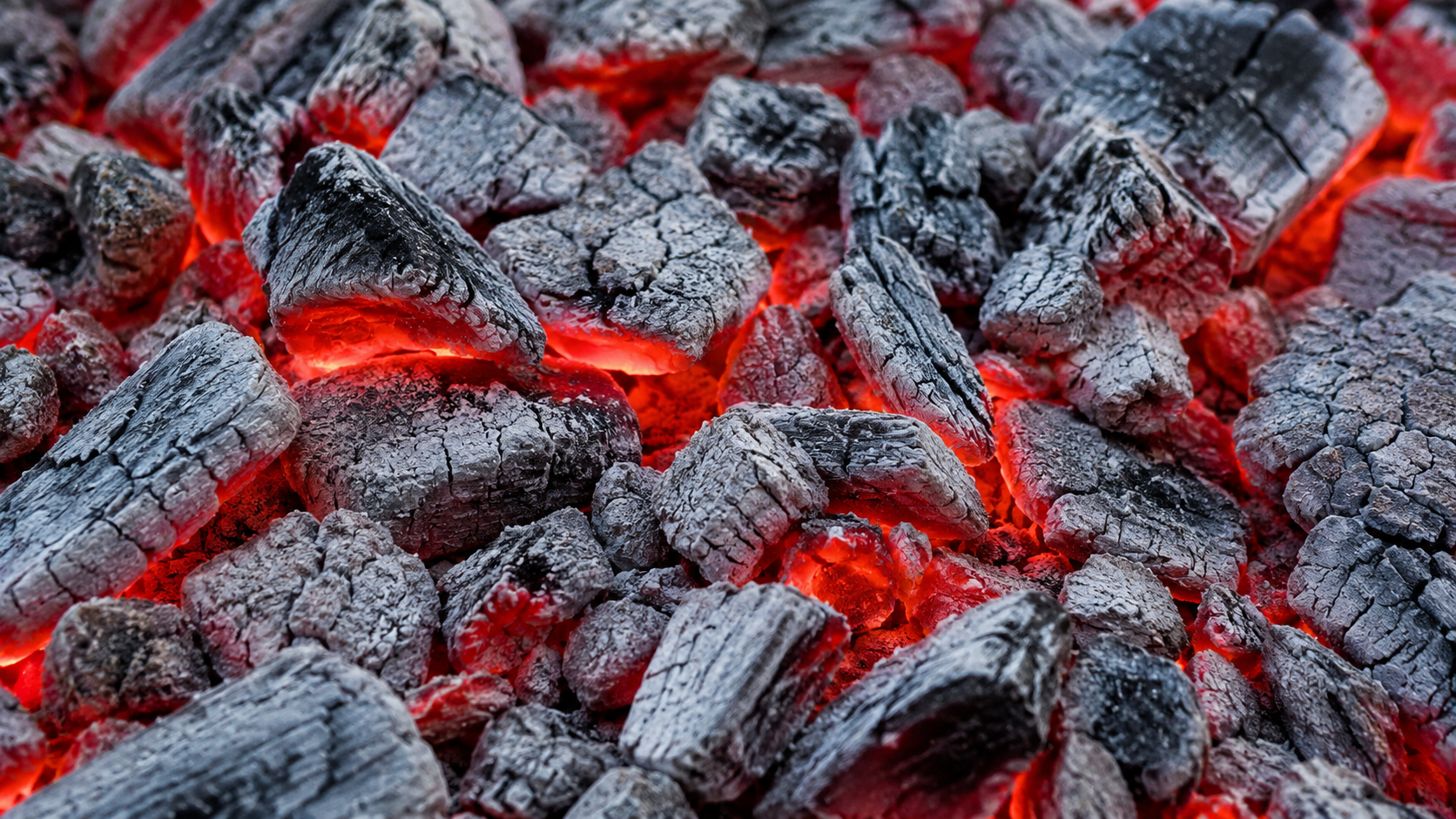
The flames begin settling down. You will see glowing red charcoal, light grey ash forming, cleaner smoke, and more stable heat. This is where good cooking starts.
Stage 4: Established Ember Bed
This is the sweet spot. You will see consistent glowing embers, most charcoal covered with light grey ash, very few flames, and stable radiant heat. Good embers cook better than flames.
|
💡 Erik's Tip |
|
Most BBQ problems start before the food even touches the grill. Waiting for a properly established ember bed before cooking removes a huge number of variables early. |

How Long Does Charcoal Take With a Chimney Starter?
Using a chimney starter is the fastest and most reliable way to get charcoal ready. For most cooks, the process looks like this:
-
Fill the chimney with charcoal
-
Light natural firelighters underneath
-
Wait 18 to 25 minutes for the charcoal to ignite properly
-
Pour the charcoal into the BBQ and spread it into the cooking zones
-
Allow another 5 to 10 minutes for the fire to settle
Total time: approximately 30-35 minutes.
Once the charcoal is lit, you are about two-thirds of the way there. Unless you are searing steaks, cooking on freshly lit charcoal is usually too hot and too unstable.
For a full step-by-step guide, see our article on how to light lump charcoal with a chimney starter.
How Long Does Charcoal Take Without a Chimney Starter?
Without a chimney starter, lighting charcoal takes longer. Most people use natural firelighters, fire starter cubes, or kindling.
|
⚠️ Important Note |
|
We do not recommend white firelighters or lighter fluid due to the chemicals used in them. These can leave unwanted flavours in your food and create dirty smoke early in the cook. |
Expect 25 to 40 minutes for the charcoal to light properly, plus another 5 to 10 minutes for it to settle.
Total time: approximately 35-50 minutes.
It takes longer because the charcoal lights from the bottom up rather than getting airflow from all sides inside a chimney.
For the easiest setup, see our full guide on how to light a charcoal BBQ grill.
Lump Charcoal vs Briquettes: Which Is Ready Faster?
Different fuels light differently and behave differently throughout the cooking process.
Lump Charcoal
Lump charcoal usually lights faster, burns hotter, responds quicker to airflow, and creates embers sooner. Typical ready time: 25-35 minutes.
Briquettes
Briquettes usually take longer to light but burn more consistently, produce more ash, and hold heat longer. Typical ready time: 30 to 45 minutes.
Neither is better for every situation. They simply behave differently and suit different cooking styles.
For a full comparison, read our guide on choosing the right fuel for your BBQ and the benefits of using lump charcoal.
The Fire Triangle: Why Airflow Matters More Than Most People Think
Every charcoal fire needs three things: fuel, oxygen, and heat. This is called the fire triangle. Remove one element, and the fire weakens.
-
Opening vents increases heat and burn rate
-
Ash build-up reduces airflow and weakens the fire over time
-
Wet or damp charcoal struggles to ignite properly
-
Chimney starters work so well because they maximize airflow from all sides
Good airflow matters far more than most beginners realise. This is why ash management during longer cooks is important, and why packing charcoal too tightly always creates problems.
How To Know When Your Charcoal Is Ready: Signs To Look For
The charcoal tells you far more than the clock. Cook by what you see, not by time alone.
Signs Your Charcoal Is Ready
-
Most charcoal is glowing red underneath
-
Light grey ash covers most of the charcoal surface
-
Flames have mostly disappeared
-
Heat feels steady and even when you hold your hand above the grill
-
Smoke is thin and clean
Signs Your Charcoal Is Not Ready
-
Large yellow flames are still burning aggressively
-
Thick white smoke is visible
-
Half-black charcoal with uneven burning
-
Strong firelighter smell is still present
-
Uneven burning across the charcoal bed
If the hand test fails, give the charcoal more time to settle. Patience makes everything easier.

|
💡 Erik's Tip |
|
Use the hand test. Hold your hand at cooking height above the grill. If you can hold it there comfortably for 6 to 8 seconds, the heat is right for most cooking. If you cannot hold it for more than 2 to 3 seconds, the fire is too hot. If you can hold it for more than 10 seconds, the heat needs building. |
Why Cooking Too Early Causes Common BBQ Problems
Rushing the fire creates several of the most common charcoal BBQ problems beginners run into.
Uneven Cooking
Freshly lit charcoal creates unstable hot spots. Food burns in some areas while remaining undercooked in others.
Dirty Smoke
Partially lit charcoal produces heavier smoke that can create bitter flavors in food.
Excessive Flare-Ups
Aggressive flames are far more likely to ignite dripping fat and create uncontrolled flare-ups.
Poor Temperature Control
The fire is still changing rapidly. Stable cooking becomes much harder before the ember bed is established.
Most charcoal BBQ problems start before the food ever touches the grill.
How Weather Affects Charcoal Lighting Times
The weather can significantly affect how long it takes for charcoal to be ready.
-
Wind: increases airflow and combustion, which can light charcoal faster but also burns fuel more quickly and creates uneven heat
-
Cold weather: extends lighting times and slows ember formation
-
Humidity: damp conditions make charcoal harder to light and can produce dirtier smoke
Always store charcoal in a cool, dry place. Damp charcoal is one of the most common causes of poor ignition and dirty smoke.
Common Charcoal Lighting Mistakes
-
Using too much charcoal: More charcoal does not mean better cooking; it often creates too much uncontrollable heat
-
Ignoring airflow: Poor airflow slows ignition significantly
-
Chasing the clock: Every fire behaves differently; watch the embers, not the timer
-
Cooking over flames: flames create uneven heat and dirty smoke; always wait for the ember bed
How To Know When Different BBQ Types Are Ready
Different BBQ styles need slightly different ember conditions before cooking starts.
|
BBQ Type |
What To Look For |
|
Kettle BBQ |
Light grey charcoal and stable heat across the bed |
|
Parrilla |
Established ember bed beneath the cooking area with minimal flames |
|
Santa Maria Grill |
Settled embers with minimal flames and consistent radiant heat |
|
Mangal Grill |
Even charcoal spreads across the full cooking area |
|
Rotisserie |
Consistent charcoal is placed along the sides without aggressive heat |
For a rotisserie-specific charcoal setup, see our guide on everything you need to know about spit roasting. For Parrilla cooking, see our beginner guide to Parrilla and Asado cooking.

Frequently Asked Questions
These are the questions we get asked most often about how long charcoal takes and when it is ready to cook on.
How long does charcoal take to heat up?Lump charcoal with a chimney starter takes 25 to 35 minutes. Without a chimney starter, expect 35 to 50 minutes. |
Can I cook over black charcoal?No. The charcoal should be glowing at the bottom and have a light grey ash coating on top before cooking begins. |
Is charcoal ready when it is ashed over?A light grey ash coating is a good sign, but it depends on what you are cooking. Also, use the hand test to judge the heat level for your desired cooking style. |
Does lump charcoal light faster than briquettes?Usually yes. Lump charcoal lights faster and responds more quickly to airflow changes. Briquettes take longer but burn more consistently. |
Should there be flames when cooking?Small, occasional flames are normal. Most cooking should happen over settled, glowing embers rather than large active flames. |
Why does my charcoal keep going out?Usually, it's poor airflow or weak fuel. Check for ash build-up blocking vents, open vents gradually, and always add properly lit charcoal from a chimney starter rather than raw, unlit fuel. |