In summary
· The best charcoal for BBQ depends on how you like to cook: fast grilling, low-and-slow smoking, rotisserie cooking, or everyday backyard BBQ.
· Lump charcoal burns hot and gives a natural smoky flavour, while briquettes offer steady, predictable heat for longer cooks.
· Good charcoal should light cleanly, burn consistently, produce manageable ash, and suit your BBQ setup.
What makes charcoal “good” for BBQ?
The best charcoal is the kind that makes your BBQ easier, tastier, and more enjoyable. That might sound obvious, but anyone who has battled cheap charcoal on a windy Saturday afternoon knows exactly what I mean.
It doesn’t take too many bad experiences of fighting with the charcoal to get it to “work” to learn that good BBQ charcoal should light without too much drama, hold heat well, and give your food that proper charcoal flavour without harsh smoke. It should also suit the food you are cooking. A quick steak night needs different heat from a slow pork shoulder or a charcoal rotisserie full of chicken skewers.
This guide follows the practical, backyard-friendly BBQ style shown in the Sydney BBQs copy examples, with a focus on real cooking benefits, flavour, and easy decision-making for BBQ fans.
Is lump charcoal best for BBQ?
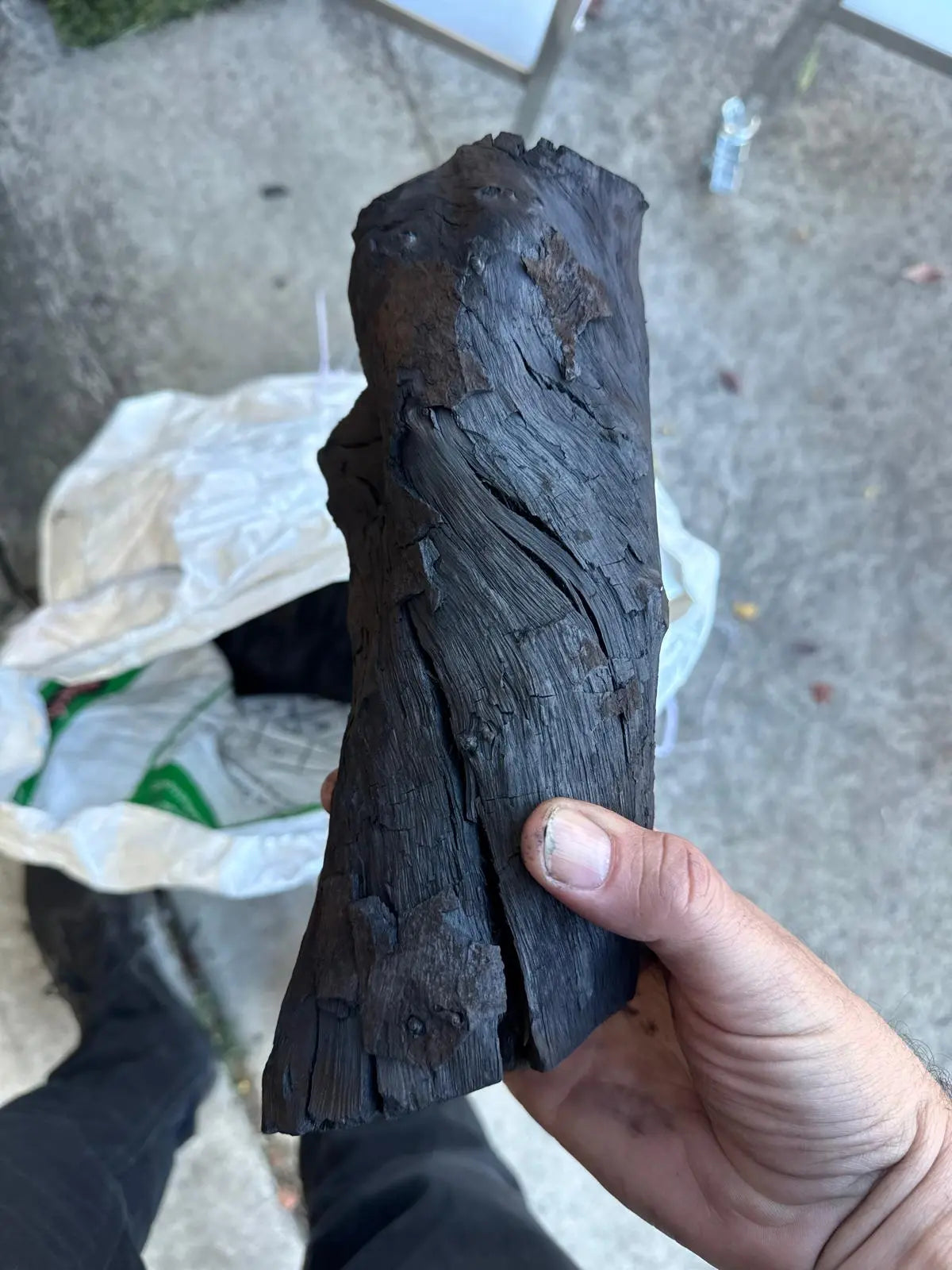
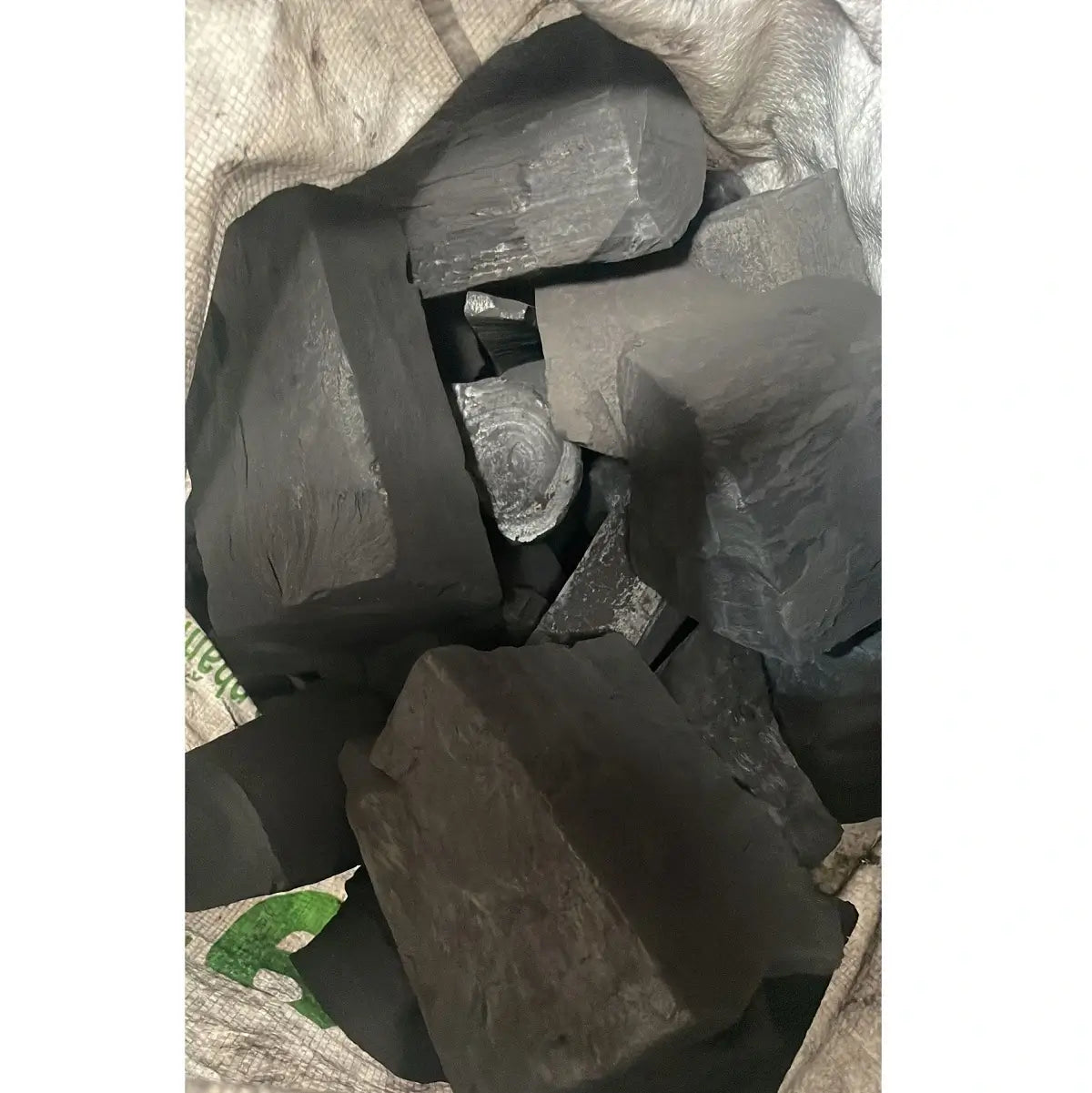
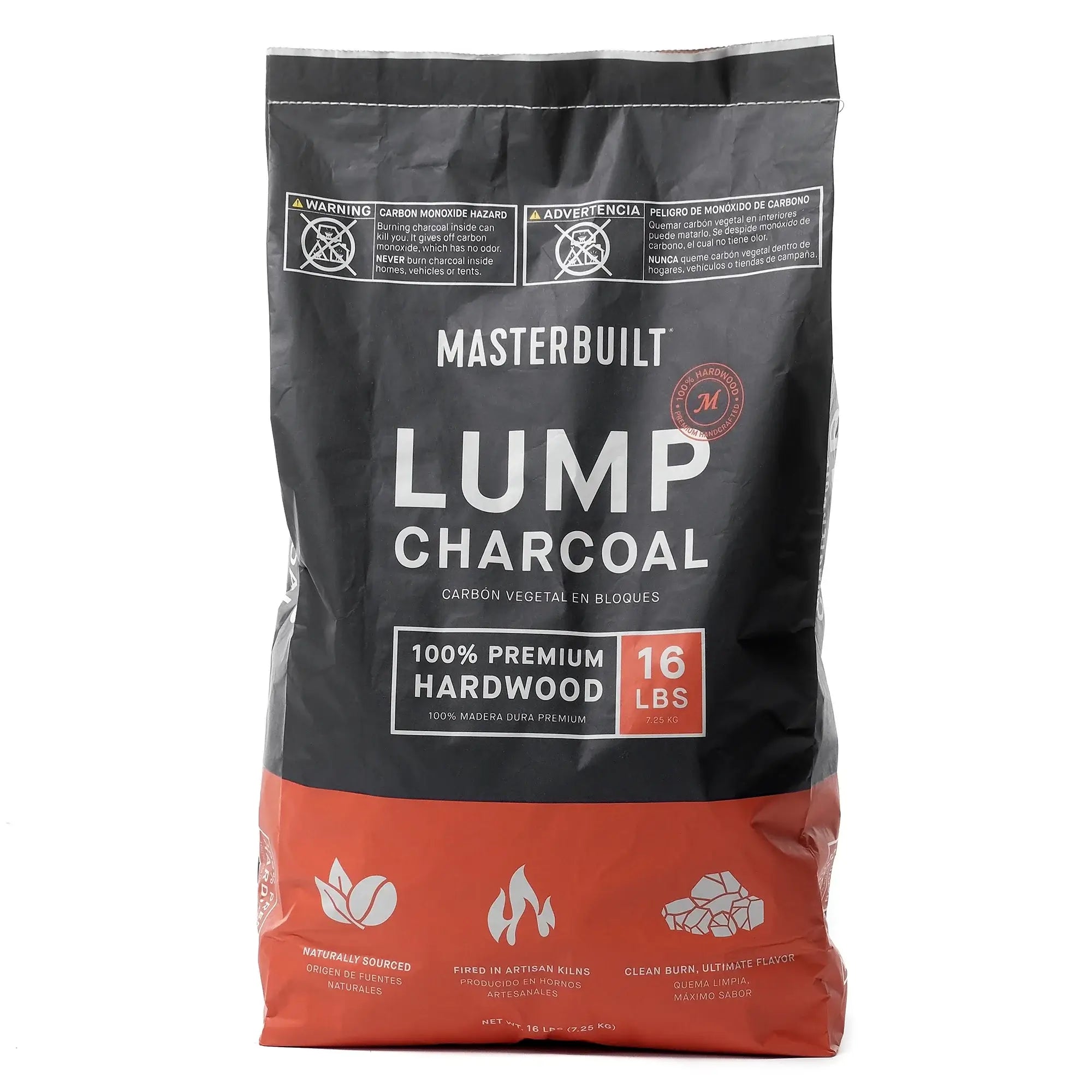
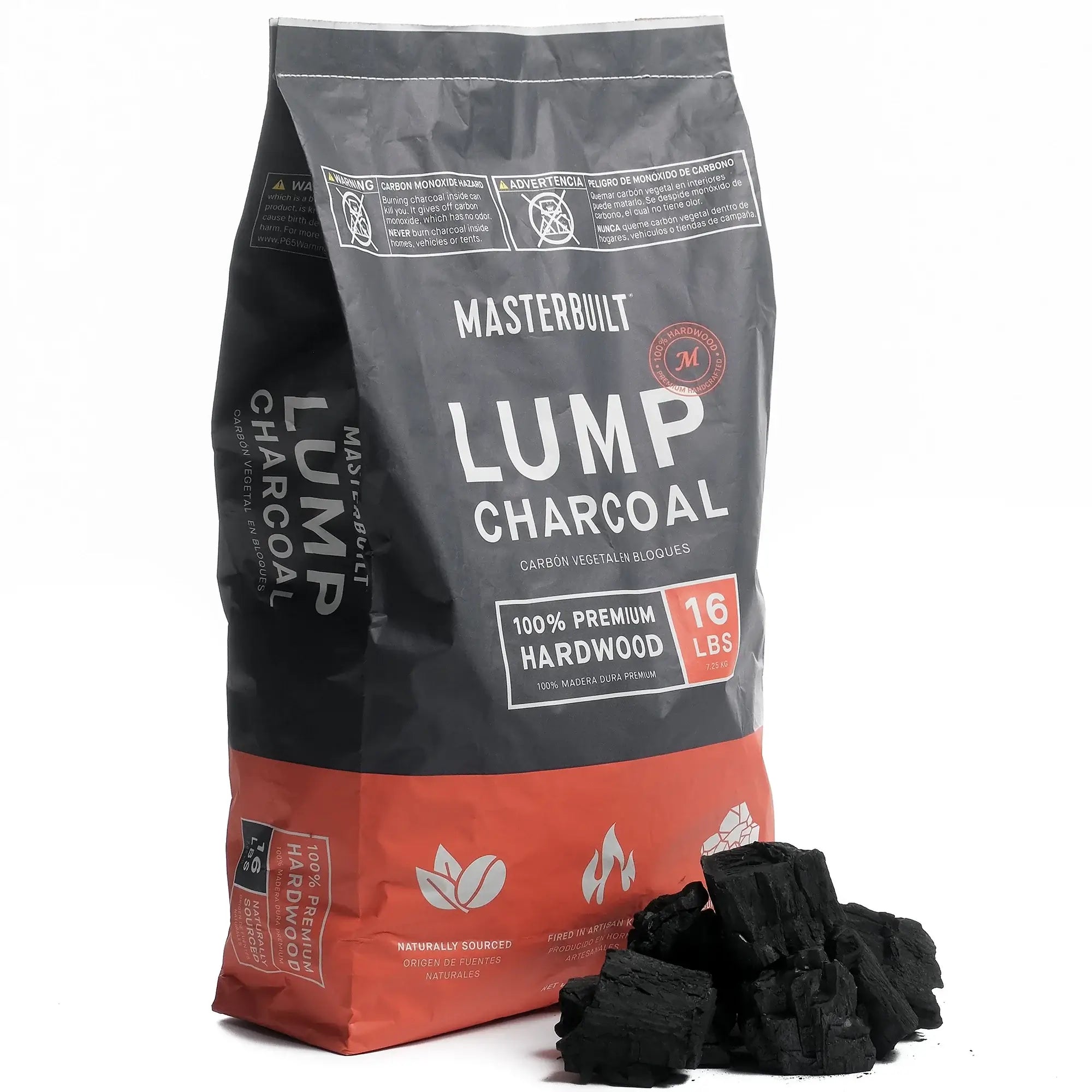
Lump charcoal is a favourite for many BBQ lovers because it is natural, responsive, and full of character. It is made by burning hardwood in a low-oxygen environment until it turns into carbon-rich charcoal.
The big advantage of lump charcoal is heat. It can get seriously hot, which makes it great for steak, lamb cutlets, burgers, skewers, seafood, and vegetables. If you love that sizzling, flame-kissed style of BBQ, lump charcoal is a great choice.
It also tends to give food a more natural wood-fired flavour. The exact flavour depends on the timber used, but in general, lump charcoal gives you that classic backyard BBQ aroma as soon as it starts glowing.
The only catch is consistency. Lump charcoal pieces can vary in size. One bag might have beautiful fist-sized chunks, while another might have smaller bits toward the bottom. For beginners, that can make heat control a little trickier, but once you get used to it, lump charcoal is incredibly rewarding.
Are briquettes better for beginners?
For many beginners, yes. Briquettes are one of the easiest ways to learn charcoal BBQ because they are uniform in size and shape. That means they burn more predictably than lump charcoal.
If you are trying ribs, roast chicken, pork shoulder, brisket, or anything that needs steady heat, briquettes are a great option. They are also useful in kettle BBQs because you can count them out and repeat your setup next time.
That repeatability matters. If 35 briquettes gave you the perfect roast chicken last Sunday, you can start there again next time. That is much easier than guessing with random-sized charcoal pieces.
Briquettes can produce more ash than lump charcoal, so airflow matters. Make sure the ash does not clog your vents during longer cooks. Keep the BBQ breathing and you will get a steady, reliable burn.
What charcoal is best for low-and-slow BBQ?
For low-and-slow cooking, you want charcoal that burns evenly for a long time. Briquettes are usually the easiest choice because they are consistent and predictable.
Low-and-slow BBQ is all about patience. You are not chasing massive heat; you are trying to hold a steady temperature over several hours. This is where good-quality briquettes shine. They work beautifully for snake methods, charcoal baskets, offset smoking support, and kettle BBQ setups.
That said, lump charcoal can also work well for low-and-slow if it is dense, high quality, and packed in larger chunks. Some experienced BBQ cooks prefer lump because it produces less ash and gives a more natural flavour.
If you are just starting out, use briquettes for your first long cooks. Once you understand airflow, vent control, and temperature management, try lump charcoal and compare the results.
What charcoal is best for high-heat grilling?
For high-heat grilling, lump charcoal is hard to beat. It lights quickly, burns hot, and responds fast when you adjust airflow.
This makes it perfect for steak night. There is something very satisfying about tipping glowing lump charcoal into the BBQ, letting the grill get screaming hot, and hearing that first steak hit the bars. You get that crust, that aroma, and that little bit of smoky flavour that gas just does not quite deliver.
Lump charcoal is also great for skewers, burgers, prawns, lamb backstrap, chicken wings, and charred vegetables. Anything quick, hot, and bold works well over lump.
For even better results, use a two-zone setup. Put your hot charcoal on one side and leave the other side cooler. Sear over the coals, then move food across if it needs more time without burning.
What charcoal should you use for rotisserie BBQ?
For charcoal rotisserie cooking, you want steady heat that does not flare up too aggressively. Both lump charcoal and briquettes can work, but briquettes are often easier for longer rotisserie sessions.
Rotisserie BBQ is one of the best ways to enjoy charcoal cooking. Whether you are spinning whole chickens, souvla, gyros-style meats, kebabs, koftas, or pork, the slow rotation helps the meat baste itself while the charcoal adds deep flavour.
For beginners, briquettes give a nice steady base. You can place them along the sides or underneath depending on your BBQ design. If you want extra flavour and heat, add some lump charcoal into the mix.
One of my favourite backyard moments is watching chicken slowly turn over charcoal while everyone keeps wandering past asking, “How long now?” That smell does all the advertising for you.
How do you choose charcoal for your BBQ type?
For a kettle BBQ, both briquettes and lump charcoal work well. Briquettes are great for roasting and smoking, while lump charcoal is excellent for direct grilling.
For a ceramic kamado, use quality lump charcoal. Kamados are very efficient, and lump charcoal gives strong heat with less ash, which helps maintain airflow.
For an open grill or hibachi, lump charcoal is usually the best choice. It burns hot and gives that classic grilling experience.
For a charcoal rotisserie, use briquettes for steady heat or a mix of briquettes and lump for balance.
For offset smokers, charcoal is often used as a heat base, with wood splits or chunks added for smoke. In that case, steady-burning charcoal is your friend.
Should you use wood chunks with charcoal?
Yes, but go easy. Charcoal gives heat and base flavour, while wood chunks add smoke.
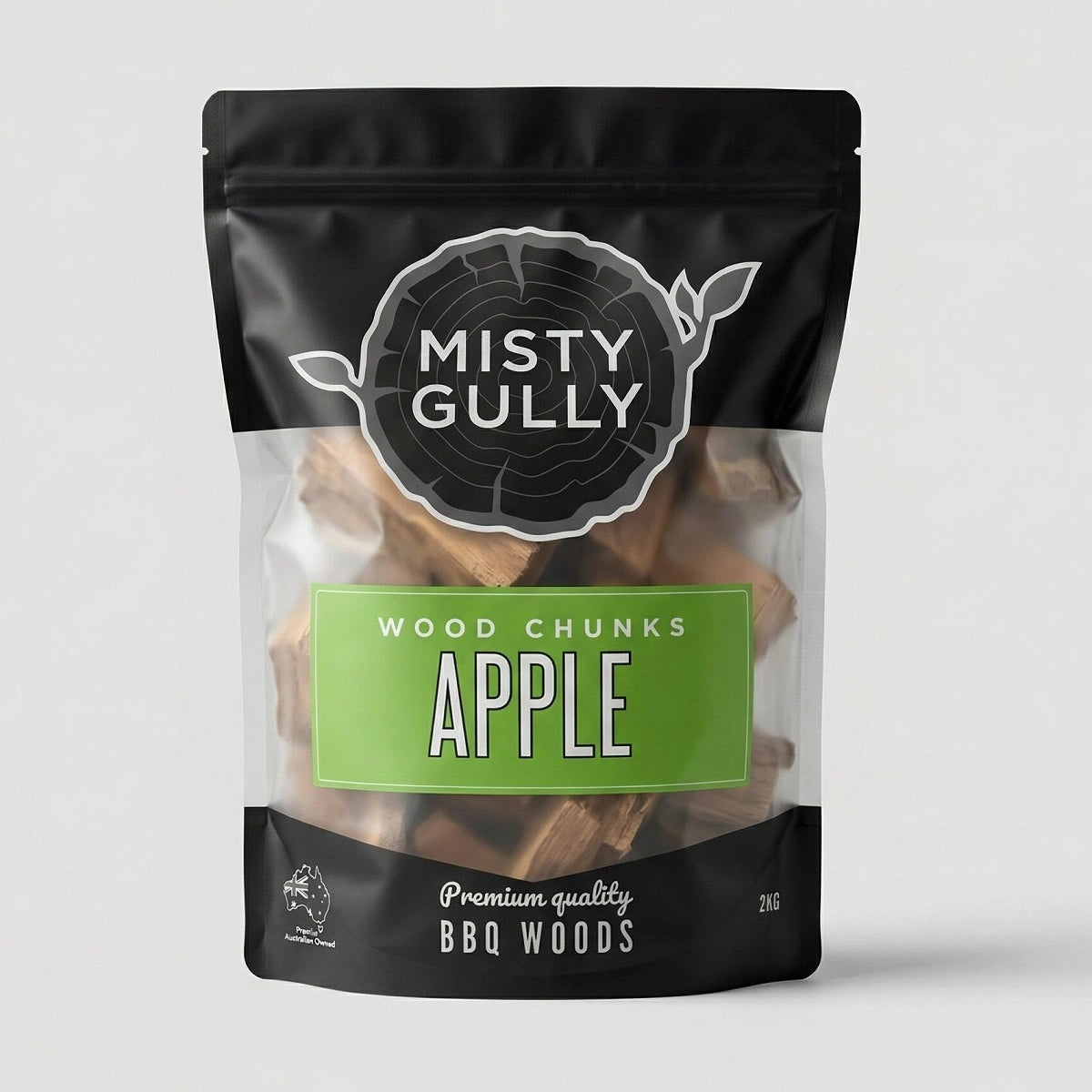
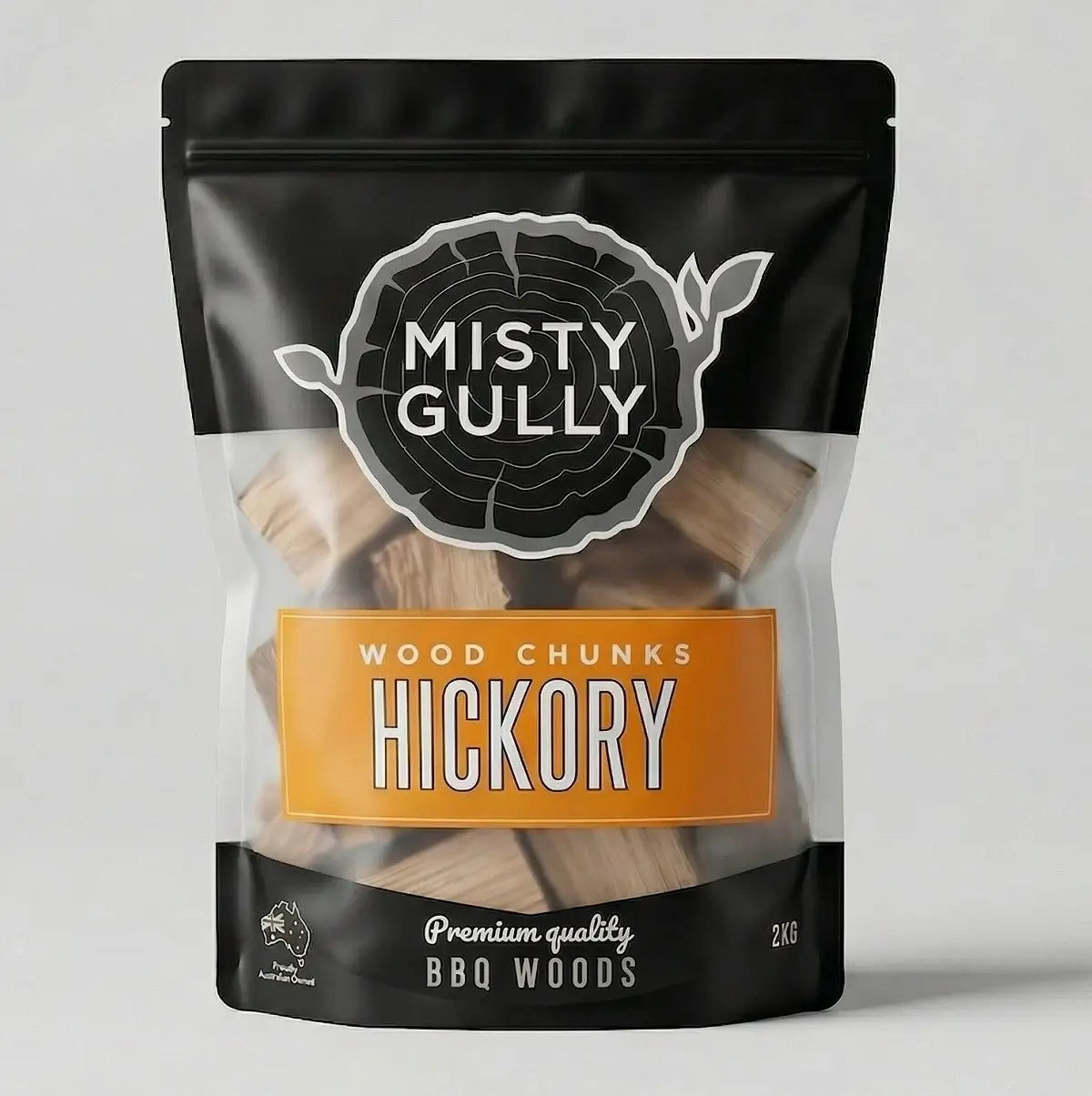
For chicken, pork, and seafood, fruit woods like apple, cherry, peach, or apricot work nicely. For beef and lamb, stronger woods like hickory, oak, ironbark, or mesquite can be a better match.
A common beginner mistake is adding too much wood. Thick white smoke might look impressive, but it can make food taste bitter. Start with one or two chunks and aim for a clean, gentle smoke.
The goal is flavour, not fog.
How can you tell if charcoal is poor quality?
Poor-quality charcoal often has lots of dust, tiny broken pieces, odd smells, or excessive sparking. It may be hard to light, burn out quickly, or create too much ash.
A little dust at the bottom of the bag is normal, especially after transport. But if half the bag is powder, it will be frustrating to use. Tiny pieces can block airflow and burn inconsistently.
Good charcoal should feel solid, light cleanly, and produce steady heat. It should smell natural when burning, not chemical or unpleasant.
When in doubt, choose charcoal from a trusted BBQ supplier rather than grabbing the cheapest bag at the servo on the way home.
What is the best charcoal for everyday backyard BBQ?
For everyday BBQ, a mix of lump charcoal and briquettes is a smart approach.
Keep briquettes on hand for roasts, chicken, ribs, and longer cooks. Keep lump charcoal ready for steaks, skewers, burgers, seafood, and quick midweek grilling.
That way, you are not trying to force one type of charcoal to do every job. You can match the fuel to the food, which makes the whole BBQ experience easier.
The best charcoal for BBQ is not always the most expensive bag. It is the charcoal that suits your grill, your cooking style, and the meal you are trying to make.
Once you find a charcoal that lights well, burns cleanly, and gives you flavour you love, stick with it. Backyard BBQ is always better when the fire behaves.
FAQs
What is better for BBQ, lump charcoal or briquettes?
Lump charcoal is better for high-heat grilling, fast cooks, and a more natural smoky flavour. Briquettes are better for steady heat, longer cooks, and beginner-friendly temperature control. Many BBQ fans keep both on hand because each one has a job. Lump is great for steak and skewers, while briquettes are excellent for ribs, roasts, and low-and-slow cooking.
What charcoal should beginners use?
Beginners often have the easiest time with briquettes because they burn consistently and are simple to measure. If you use the same number of briquettes each time, it becomes easier to repeat good results. Once you are confident with lighting, airflow, and vent control, try lump charcoal for hotter cooks and a more natural BBQ flavour. Starting simple helps you build confidence without fighting the fire.
Does charcoal brand matter?
Yes, charcoal quality can make a big difference. Better charcoal usually lights more easily, burns more evenly, and creates less frustration during the cook. Cheap charcoal can contain too many small pieces, too much dust, or inconsistent chunks that make temperature control harder. A reliable bag of charcoal helps you focus on the food instead of constantly fixing the fire.
Can I mix lump charcoal and briquettes?
Yes, mixing lump charcoal and briquettes can work really well. Briquettes provide steady heat, while lump charcoal adds extra heat and natural flavour. This combination is handy for rotisserie cooking, roasting, and longer BBQ sessions where you want reliability with a bit more character. Just make sure your BBQ has good airflow so the fire keeps burning cleanly.
How much charcoal do I need?
It depends on what you are cooking and how long the BBQ needs to run. For quick grilling, you may only need a half chimney of charcoal. For roasting or low-and-slow cooking, you will need more fuel and a setup that burns gradually. As a general rule, use less charcoal for thin cuts and more charcoal for large cuts, whole chickens, or anything that needs steady heat over time.
Why does my charcoal keep going out?
Charcoal usually goes out because it is not getting enough airflow, it is damp, or it was not fully lit before being added to the BBQ. Check that your vents are open and ash is not blocking the bottom of the grill. Store charcoal somewhere dry, because moisture makes it harder to light and harder to keep burning. Give the coals enough time to ash over before you start cooking.
Glossary of terms
Lump charcoal: Natural hardwood charcoal in irregular pieces. It burns hot and gives a classic charcoal BBQ flavour.
Briquettes: Uniform charcoal blocks designed to burn steadily and predictably.
Chimney starter: A metal cylinder used to light charcoal evenly without lighter fluid.
Direct heat: Cooking food directly over the charcoal.
Indirect heat: Cooking food away from the charcoal, usually with the lid closed.
Two-zone setup: A BBQ layout with charcoal on one side and a cooler area on the other.
Low-and-slow: Cooking at a lower temperature over a longer time, often used for ribs, brisket, pork shoulder, and roasts.
Ash over: The stage when lit charcoal turns grey on the outside and is ready for cooking.
Airflow: The movement of oxygen through the BBQ, controlled by vents. More airflow usually means more heat.
Wood chunks: Pieces of smoking wood added to charcoal for extra flavour.